
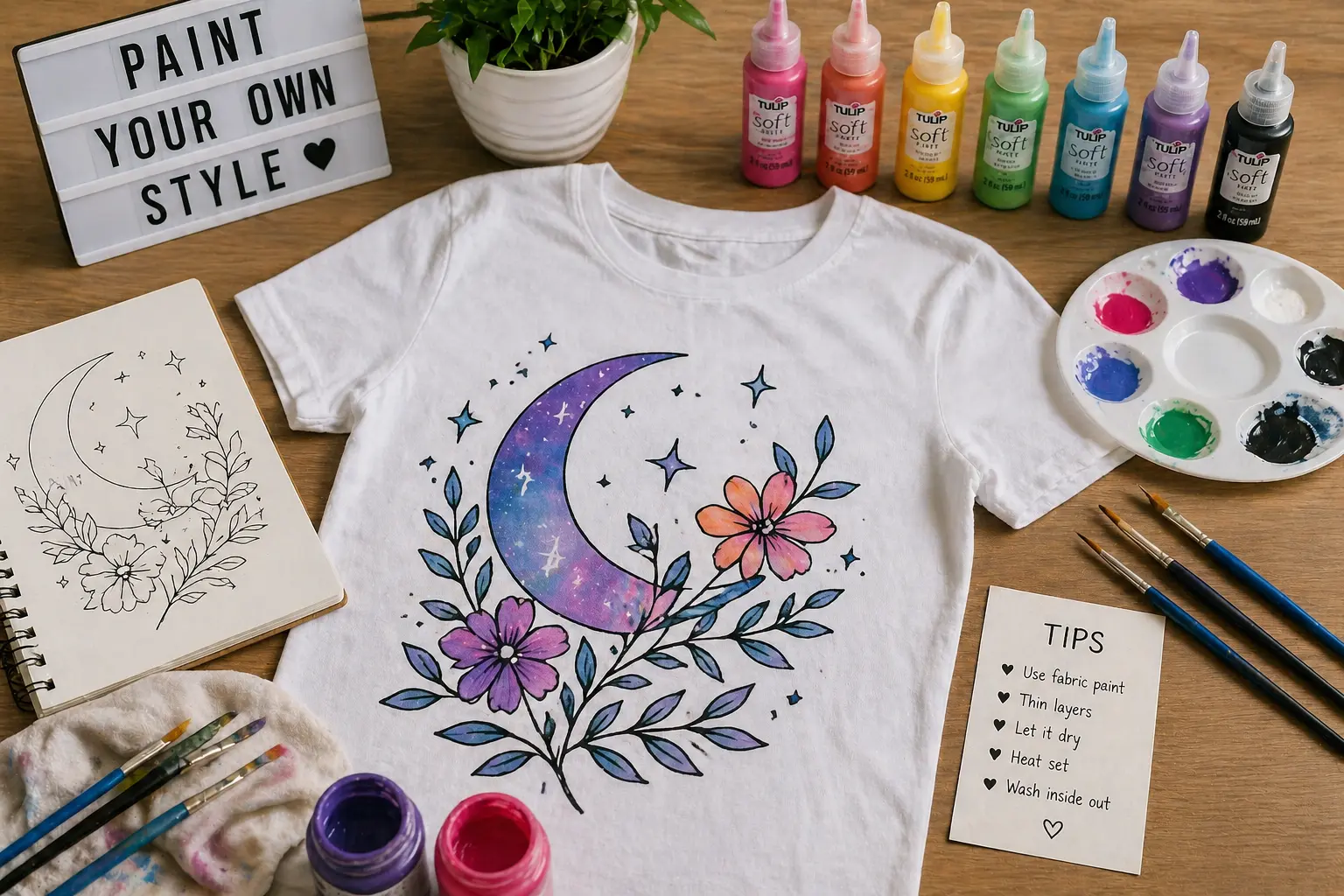
Custom painted t-shirts have become one of the fastest-growing segments of DIY fashion because they combine affordability, creativity, and individuality in a way that mass-produced clothing rarely can. Across Canada, more people are choosing to personalize their wardrobes rather than constantly purchasing new clothing from fast-fashion retailers. Rising clothing prices, growing awareness of sustainability, and the influence of visual platforms like Pinterest, TikTok, and Instagram have helped transform fabric painting into both a personal hobby and a small business opportunity.
Painting designs on t-shirts may appear simple when watching short online videos, but creating durable, wearable, and professional-looking results requires significantly more planning than many beginners realize. Poor paint selection, wrong fabric choices, rushed drying times, and weak design preparation often result in cracked artwork, faded colors, or shirts that become unwearable after one wash.
The reality is that high-quality fabric painting combines artistic creativity with practical garment knowledge. Understanding how fabric reacts to paint, how colors behave on different shirt materials, and how to properly preserve your finished design separates amateur-looking projects from pieces that look professionally made.
This guide explores the complete process of painting designs on t-shirts at home using fabric paint while helping beginners avoid common mistakes and create designs that remain vibrant for years.
Why Custom Painted T-Shirts Are Growing in Popularity
Modern consumers increasingly want products that feel personal.
Mass-produced clothing often lacks individuality. Large retailers produce identical designs in huge quantities, which makes it difficult for people to express unique style preferences.
Hand-painted t-shirts solve that problem because every design becomes one of a kind.
Some people create painted shirts for personal use, while others build side businesses selling custom designs through platforms such as Etsy.
Many Canadian creators also sell through local craft fairs, community markets, and social media stores.
Painted t-shirts have become especially popular for:
birthday gifts
small business merchandise
band apparel
custom family events
streetwear brands
artistic fashion pieces
The low startup cost makes this niche highly accessible.
Choosing the Right T-Shirt Fabric
Fabric selection directly impacts final results.
Cotton remains the best choice for painted shirts because it absorbs paint effectively while maintaining flexibility.
A 100 percent cotton shirt usually provides the most reliable surface.
Cotton-polyester blends can work, but they may produce slightly different texture results.
Heavy synthetic fabrics often resist paint absorption and can create cracking issues.
Avoid extremely stretchy fabrics because excessive movement may damage painted areas over time.
Many beginners purchase affordable blank shirts from retailers such as Walmart or order bulk blanks online through Amazon.
Higher-quality blank shirts may be sourced from wholesale suppliers if you plan to sell painted clothing professionally.
Selecting Quality Fabric Paint
Not all paint belongs on clothing.
Traditional acrylic paint often cracks after washing unless properly mixed with textile medium.
Dedicated fabric paint is designed to bond with fabric fibers.
Popular brands available in Canada include Tulip, Jacquard, and Pebeo.
Paint quality matters because cheaper alternatives may fade quickly.
Beginners should start with primary colors plus black and white to learn mixing techniques before purchasing large paint collections.
Preparing Your Shirt Before Painting
Skipping preparation often ruins projects.
Wash the shirt before painting to remove chemicals, oils, or manufacturing residue.
Do not use fabric softener because it may interfere with paint absorption.
Iron the shirt if necessary to create a smooth working surface.
Place cardboard inside the shirt to prevent paint from bleeding through to the back layer.
Secure fabric with clips if movement becomes an issue during painting.
Preparation creates a cleaner final result.
Planning Your Design
One of the biggest mistakes beginners make is painting without a clear design plan.
Sketch your idea first.
Even rough sketches help avoid major layout problems.
Consider shirt placement carefully.
Chest-centered designs remain common, but sleeve art, lower hem details, back graphics, and pocket-area artwork are increasingly popular.
Minimalist designs often look more premium than overcrowded artwork.
Popular design themes include:
floral artwork
anime-inspired graphics
abstract art
streetwear lettering
nature illustrations
pet portraits
motivational phrases
Your design should match the intended audience.
Using Stencils for Precision
Not everyone feels comfortable painting freehand.
Stencils help create cleaner lines.
You can purchase pre-made stencils or create your own using thick paper or plastic sheets.
Secure stencils firmly before painting.
Use small amounts of paint to avoid bleeding under edges.
Stencils are especially useful for logos, typography, and geometric patterns.
Many small clothing businesses use stencil methods for repeatable designs.
Freehand Painting Techniques
Freehand painting offers maximum creativity.
Use thin brushes for detailed work.
Larger brushes help cover broader areas.
Layer colors gradually instead of applying heavy paint immediately.
Allow sections to dry before adding overlapping colors.
This prevents unwanted blending.
Professional artists often build designs slowly over multiple sessions.
Patience improves quality significantly.
Understanding Color on Different Shirt Backgrounds
White shirts behave very differently than black shirts.
Bright colors appear more vibrant on white fabric.
Dark shirts may require multiple layers.
Some artists apply white base layers before painting bright colors on dark fabrics.
This creates stronger contrast.
Understanding color behavior helps create more professional outcomes.
Drying and Heat Setting
Many beginners destroy projects by rushing drying times.
Allow shirts to dry completely.
Some paints require 24 hours before heat setting.
Heat setting often involves ironing the reverse side of the design.
Always follow brand-specific instructions.
Proper heat setting improves wash durability.
Skipping this step often causes cracking or fading.
Common Mistakes Beginners Make
Overusing paint is a frequent issue.
Thick paint layers crack faster.
Poor design planning creates awkward shirt layouts.
Using low-quality shirts may ruin professional-looking artwork.
Skipping heat setting damages longevity.
Many creators also underestimate drying times.
Rushing almost always lowers quality.
Washing Painted Shirts Properly
Turn shirts inside out before washing.
Use cold water.
Avoid aggressive dryer settings.
Hand washing may extend lifespan for highly detailed artwork.
Proper care keeps designs vibrant for years.
Customers should also receive care instructions if you sell painted shirts.
Turning Painted Shirts Into a Business
Many creators start painting shirts as a hobby and eventually expand into full businesses.
Platforms such as Etsy have made it easier for Canadian sellers to reach international buyers.
Social media platforms like Instagram and TikTok help creators showcase their work visually.
Successful businesses focus on strong branding and consistent quality.
Custom niche designs often outperform generic artwork.
Sustainability Benefits of Painted Clothing
Painting existing shirts reduces textile waste.
Instead of discarding stained or outdated clothing, people can transform garments into fresh fashion pieces.
This aligns with growing sustainability movements across Canada.
Consumers increasingly appreciate handmade and eco-conscious fashion.
Final Thoughts
Painting designs on t-shirts using fabric paint is far more than a casual craft project. It combines art, fashion, sustainability, and entrepreneurship into one highly accessible creative opportunity.
With proper preparation, quality materials, and thoughtful design execution, anyone can create wearable art from home.
The most successful painted shirts are not created through shortcuts. They come from patience, experimentation, and understanding how fabric and paint work together.
Whether you want to refresh your wardrobe, create meaningful gifts, or launch a clothing brand, fabric-painted t-shirts offer one of the most flexible ways to enter the world of DIY fashion customization.
