
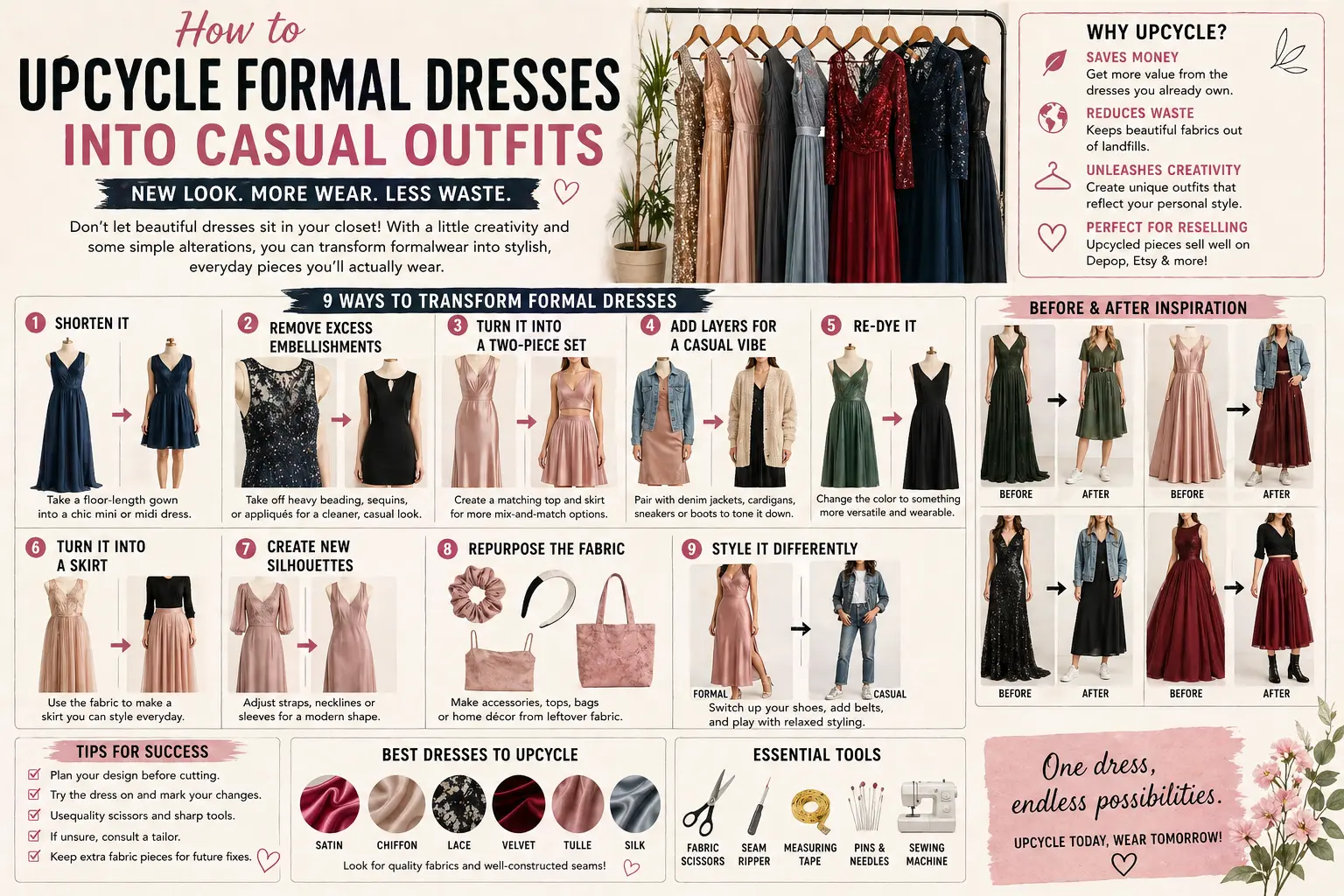
Formal dresses are some of the most expensive yet least frequently worn items in many wardrobes. Across Canada, millions of people purchase dresses for weddings, graduation ceremonies, galas, corporate events, holiday parties, proms, engagement celebrations, and other formal occasions that may only last a single evening. These garments are often purchased under emotional pressure because consumers want to look memorable in photos, meet dress code expectations, and feel confident during important life events. Many shoppers spend hundreds of dollars on dresses they truly love in the moment, only to realize afterward that the garment feels impractical for daily life. Once the event ends, these dresses are often pushed to the back of closets where they remain untouched for years.
This problem has become even more common in the social media era. Platforms such as Instagram, TikTok, and Pinterest have created stronger pressure to wear unique outfits for highly photographed events. Many consumers avoid repeating formal looks because they feel uncomfortable posting the same dress multiple times online. This behavior contributes to unnecessary clothing waste, especially when garments remain in excellent condition. High-quality fabrics like satin, chiffon, silk, velvet, lace, and structured blends often retain tremendous value long after the original event is over.
At the same time, clothing prices continue rising across Canada, making it financially inefficient to repeatedly buy clothing designed for one-time use. Sustainability concerns have also pushed consumers to rethink how they approach occasion wear. Rather than donating expensive dresses or allowing them to collect dust, many people are now exploring upcycling as a practical alternative. Turning formal dresses into casual outfits allows consumers to maximize value while reducing waste.
The idea may sound difficult because formal dresses often include sequins, floor-length hems, dramatic silhouettes, structured corsets, embellished fabrics, and design details that seem incompatible with everyday fashion. However, many formal garments can be transformed with surprisingly strategic adjustments. Some only require styling changes, while others benefit from moderate tailoring or complete reconstruction. The most successful transformations preserve the quality of the original garment while dramatically increasing how often it can be worn.
For entrepreneurs, this trend has also created resale opportunities. Thrift stores across Canada often receive large volumes of formalwear donations because many people struggle to resell event-specific clothing. Buyers who understand how to modernize these garments can create highly profitable inventory for platforms such as Depop, Etsy, and Poshmark.
Why Formal Dresses Become Closet Waste
Formal dresses are usually purchased for very specific occasions, which limits their long-term versatility. Bridesmaid dresses often match wedding color schemes that may feel difficult to wear elsewhere. Prom dresses can feature dramatic embellishments that feel too youthful later. Evening gowns may be too elegant for casual environments. Cocktail dresses sometimes reflect trends that disappear quickly.
Many consumers also attach emotional memories to formal dresses. Some keep garments because they represent meaningful milestones, but they never actually wear them again. Over time, these pieces occupy valuable closet space while remaining functionally unused.
This creates a major opportunity because many formal dresses remain structurally excellent. The issue is often styling—not quality.
Identifying Dresses Worth Upcycling
Not every formal dress should be altered immediately. Some luxury dresses may retain strong resale value in original condition, especially if they come from recognizable designers or feature timeless silhouettes.
Before making permanent changes, evaluate fabric quality carefully. Silk, satin, velvet, lace, chiffon, and structured crepe fabrics often create excellent transformation opportunities because they maintain premium appearance after modifications.
Construction quality matters just as much. Strong seams, quality linings, durable zippers, and well-made bodices provide stronger foundations for redesign.
Heavily damaged dresses may not justify major investments unless the fabric itself remains valuable.
Shortening Long Formal Dresses
One of the most common and effective transformations involves shortening floor-length gowns into midi or mini dresses. This single change can dramatically increase wearability because shorter lengths feel far less intimidating in casual environments.
A floor-length satin bridesmaid dress may become a modern slip dress after hem adjustments.
A long chiffon dress can become a summer brunch outfit.
A formal velvet gown may transform into a holiday casual dress.
Careful measurement is critical because cutting too short creates regret.
For expensive fabrics, professional tailoring may be worth the investment.
Removing Excess Embellishments
Heavy embellishments often make formal dresses feel difficult to wear casually. Large bows, rhinestones, sequins, oversized sleeves, decorative flowers, and dramatic trains frequently create unnecessary formality.
Removing certain embellishments can completely modernize a garment.
Minimalist fashion trends often reward cleaner silhouettes.
However, embellishment removal should be done carefully to avoid damaging delicate fabrics.
Turning Dresses Into Two-Piece Sets
Some formal dresses contain enough fabric to create entirely new products.
Long dresses can be transformed into matching skirts and tops.
This creates multiple outfit combinations instead of a single garment.
Two-piece sets remain highly popular among younger consumers.
These transformations often require intermediate sewing skills but can dramatically increase versatility.
Layering Formal Dresses for Casual Use
Not every dress requires permanent reconstruction.
Layering often creates the easiest transition.
A satin slip dress can be paired with sneakers and a denim jacket.
A formal black dress may look casual with oversized knitwear.
Boots, cardigans, leather jackets, and oversized blazers can dramatically reduce formality.
This allows consumers to experiment before making permanent changes.
Dyeing Formal Dresses
Bright formal colors often limit repeat wear. Neon tones, wedding-specific colors, or outdated shades may feel difficult to style.
Professional dye services can help transform dresses into more versatile colors like black, navy, olive, burgundy, or neutral earth tones.
Dyeing delicate fabrics requires caution.
Testing small areas first helps avoid major mistakes.
Turning Dresses Into Skirts
Many formal dresses can become skirts through waist reconstruction.
This creates far more styling flexibility because skirts pair easily with sweaters, t-shirts, jackets, and casual tops.
Tulle skirts, satin skirts, and layered fabrics often perform especially well.
Repurposing Fabric Into Accessories
Some dresses may be too damaged for full garment transformations.
That does not mean the material lacks value.
Fabric can be reused for:
bags
hair accessories
scarves
tops
pillow covers
bridal accessories
This helps maximize material use.
Selling Upcycled Formalwear
Many entrepreneurs now buy cheap formal dresses and transform them into more wearable products.
Depop attracts younger buyers.
Etsy works well for handmade products.
Poshmark performs well for recognizable brands.
Photography and branding strongly impact sales.
Common Mistakes People Make
Many people cut dresses too aggressively.
Others underestimate delicate fabrics.
Some remove too many design elements.
Others ignore practicality.
The best transformations balance creativity with wearability.
Sustainability Benefits
Formalwear requires significant manufacturing resources.
Reusing these garments reduces waste.
It lowers unnecessary consumption.
It extends product lifespan.
This aligns with growing sustainability values across Canada.
Final Thoughts
Formal dresses do not need to become permanent closet decorations after a single event. Many of these garments contain premium materials, excellent craftsmanship, and enormous transformation potential.
With thoughtful styling adjustments, smart tailoring, and creative redesigns, formal dresses can become highly wearable casual outfits that feel modern, practical, and financially smart.
The most sustainable dress is often the one you already own—it may simply need a new purpose.
