
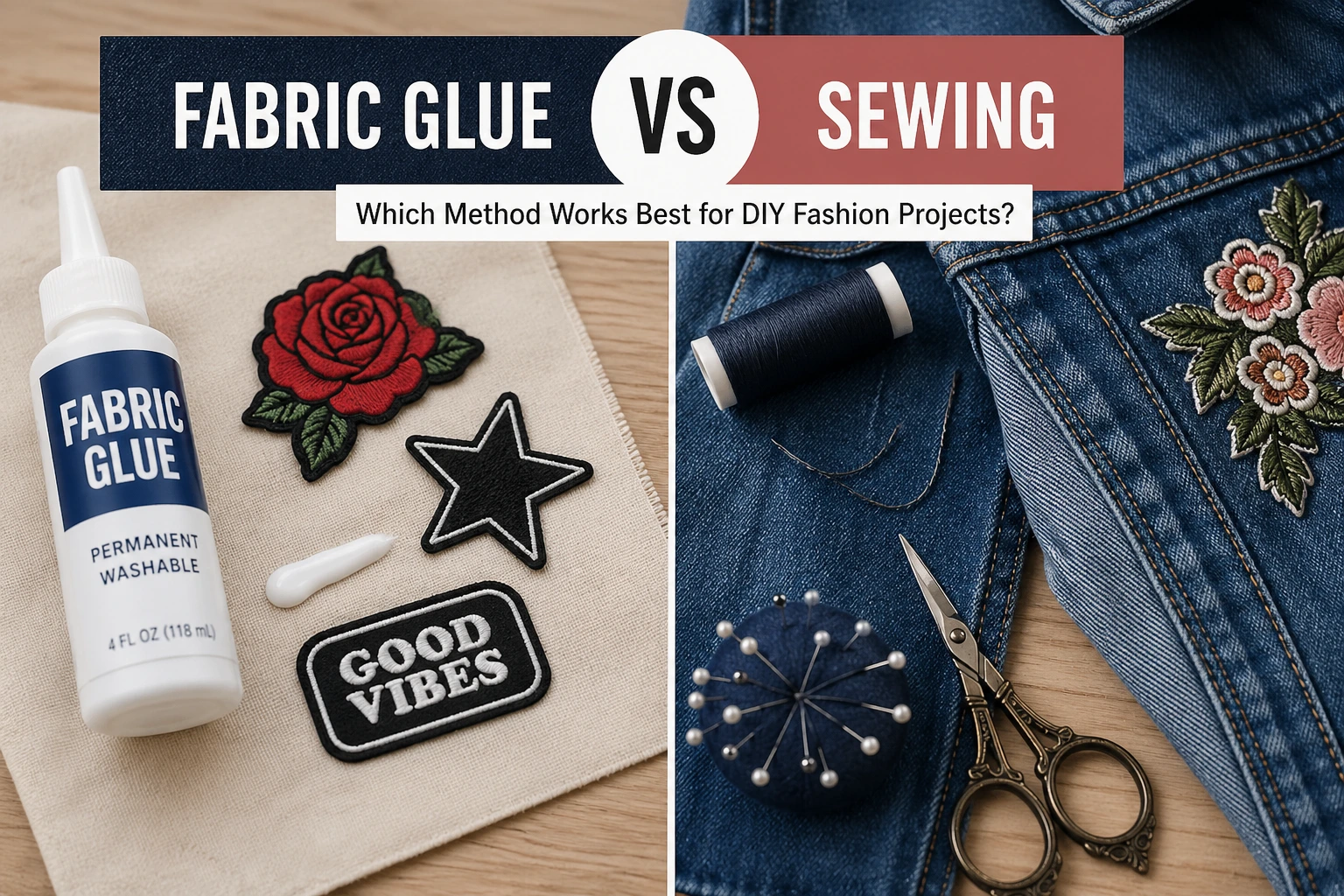
DIY fashion has become more than just a hobby. In recent years, it has evolved into a creative movement driven by sustainability, personal style, and the desire to transform ordinary clothing into unique pieces. From customizing denim jackets to repairing ripped jeans or adding decorative patches to sneakers, more people are exploring ways to personalize their wardrobe at home.
One of the biggest questions beginners face when starting clothing customization projects is whether they should use fabric glue or traditional sewing techniques. Both methods are widely used in DIY fashion, but each offers different advantages depending on the project, skill level, materials, and long-term expectations.
Some people prefer fabric glue because it is fast, convenient, and requires little technical knowledge. Others choose sewing because it provides durability and a more professional finish. However, the right choice is not always obvious. Certain projects benefit from the speed of glue, while others require the strength and flexibility that stitching offers.
Understanding the strengths and weaknesses of both methods can help you avoid costly mistakes and improve the overall quality of your DIY clothing projects. In this guide, we will compare fabric glue and sewing in detail so you can decide which option works best for your creative goals.
Understanding How Fabric Glue Works
Fabric glue is a specialized adhesive designed to bond textiles together without the need for stitching. Unlike regular household glue, fabric glue is made to remain flexible after drying, allowing clothing to move naturally without becoming stiff.
There are several types of fabric glue available on the market. Permanent fabric glue is commonly used for long-term projects such as attaching patches, rhinestones, lace trims, and decorative elements. Temporary fabric glue is often used during sewing projects to hold fabric in place before stitching.
One of the main reasons beginners are attracted to fabric glue is its simplicity. You do not need sewing machines, needles, thread, or prior experience. You simply apply the glue, position the material, and allow it to dry according to the product instructions.
Fabric glue works especially well for lightweight embellishments. For example, attaching decorative pearls to a jacket collar or securing small patches to tote bags can often be completed quickly with glue.
However, not all fabrics react well to adhesives. Stretch fabrics, heavy denim, leather materials, and garments that go through frequent washing may experience weakened bonding over time.
Advantages of Using Fabric Glue for DIY Projects
Fabric glue offers several benefits that make it appealing for certain fashion customization projects.
Fast application
One of the biggest advantages is speed. Sewing can take hours for beginners, while glue-based projects can often be completed in minutes.
This makes fabric glue ideal for quick fixes such as repairing minor hems, attaching loose embellishments, or creating last-minute costume modifications.
Beginner-friendly
People who have never sewn before may feel intimidated by needles, stitching patterns, or sewing machines. Fabric glue eliminates that learning curve and allows beginners to start experimenting immediately.
Lower startup costs
A bottle of fabric glue is typically much cheaper than purchasing a sewing machine, thread kits, needles, scissors, and additional sewing supplies.
For someone testing DIY fashion as a hobby, glue offers an affordable entry point.
Great for decorative designs
Glue works particularly well for projects involving:
- Rhinestones
- Beads
- Fabric flowers
- Decorative trims
- Lightweight patches
- Sequins
These small additions often do not require heavy structural support.
The Downsides of Fabric Glue
Despite its convenience, fabric glue has important limitations.
Reduced durability
Clothing experiences constant movement, stretching, washing, and friction. Over time, glued materials may peel off or weaken.
This becomes especially problematic for frequently worn garments.
Visible residue
Applying too much glue may leave visible stains or hardened spots on fabric surfaces.
Dark fabrics may hide this issue better, but lighter fabrics can show glue marks clearly.
Drying time
Although glue application is quick, drying can take several hours or even a full day depending on the product.
Rushing the process may ruin the project.
Limited use for structural repairs
Fabric glue is not ideal for repairing torn seams, resizing garments, or making significant alterations.
These projects usually require stitching for proper strength.
Why Sewing Remains a Popular Choice
Sewing has been used in clothing production for centuries because it creates durable and flexible bonds between fabrics.
Whether done by hand or with a sewing machine, stitching allows garments to maintain their structure even after repeated washing and wear.
Professional designers, tailors, and clothing manufacturers rely on sewing because it produces long-lasting results.
For DIY enthusiasts, sewing opens the door to far more advanced customization possibilities.
You can:
- Resize clothing
- Replace zippers
- Add pockets
- Alter sleeves
- Hem pants
- Create entirely new garments
- Repair damaged seams
These projects would be extremely difficult using glue alone.
Benefits of Sewing for Clothing Customization
Long-term durability
Proper stitching can last for years when done correctly.
This makes sewing ideal for everyday clothing items that need to withstand frequent use.
Professional appearance
Well-executed stitching often looks cleaner and more polished than glue-based projects.
Hidden seams and neat finishing details create a more professional final product.
Greater flexibility
Sewing allows you to work with:
- Thick fabrics
- Stretch fabrics
- Leather
- Denim
- Layered materials
These materials may be difficult for glue alone.
Better wash resistance
Sewn garments generally hold up better in washing machines compared to glued materials.
Challenges Beginners Face With Sewing
Although sewing offers many advantages, beginners often struggle at first.
Learning how to thread needles, operate sewing machines, cut fabric properly, and create straight stitches takes time.
Mistakes such as uneven seams, broken needles, or incorrect measurements can lead to frustration.
Additionally, purchasing sewing equipment may require a larger initial investment.
A quality beginner sewing machine, fabric scissors, measuring tape, pins, and thread can become expensive.
However, many people find the long-term benefits worth the learning process.
When Fabric Glue Is the Better Choice
Fabric glue may be the smarter option when:
- You need quick repairs
- You are adding lightweight decorations
- You do not own sewing equipment
- The project is temporary
- You are creating costumes for one-time use
For example, adding glitter fabric stars to a concert outfit may not require permanent stitching.
Similarly, attaching decorative gems to shoes for a special event can often be done successfully with fabric glue.
When Sewing Is the Better Choice
Sewing is usually the best option when:
- You want long-lasting durability
- The garment will be washed frequently
- You are making structural alterations
- You are working with heavy fabrics
- You want professional-looking results
For example, shortening jeans, repairing ripped seams, or replacing jacket sleeves should typically be sewn rather than glued.
Can You Combine Both Methods?
Many experienced DIY fashion creators use both techniques together.
For example, fabric glue can temporarily secure decorative pieces before permanent stitching is added.
This combination can make difficult sewing projects easier to manage.
You might glue patches in place first to prevent shifting, then sew around the edges for long-term durability.
This hybrid approach offers both convenience and strength.
Choosing Based on Your Skill Level
If you are completely new to DIY fashion, starting with fabric glue may help build confidence.
Simple projects allow you to experiment without feeling overwhelmed.
As your skills improve, learning basic hand sewing techniques can greatly expand your customization options.
Eventually, investing in a sewing machine may allow you to tackle more advanced fashion transformations.
The goal is to match your tools with your current skill level rather than rushing into complicated projects too early.
Final Thoughts for DIY Creators
The debate between fabric glue and sewing does not have a universal answer because every project is different.
Fabric glue offers speed, convenience, and accessibility for beginners or lightweight decorative projects. Sewing provides strength, durability, and professional-quality results for more serious clothing modifications.
Instead of viewing them as competing methods, think of them as complementary tools within your DIY fashion toolkit.
The best creators understand when speed matters and when durability is essential.
By choosing the right method for each project, you can save time, reduce frustration, and create customized clothing pieces that truly reflect your personal style.
