
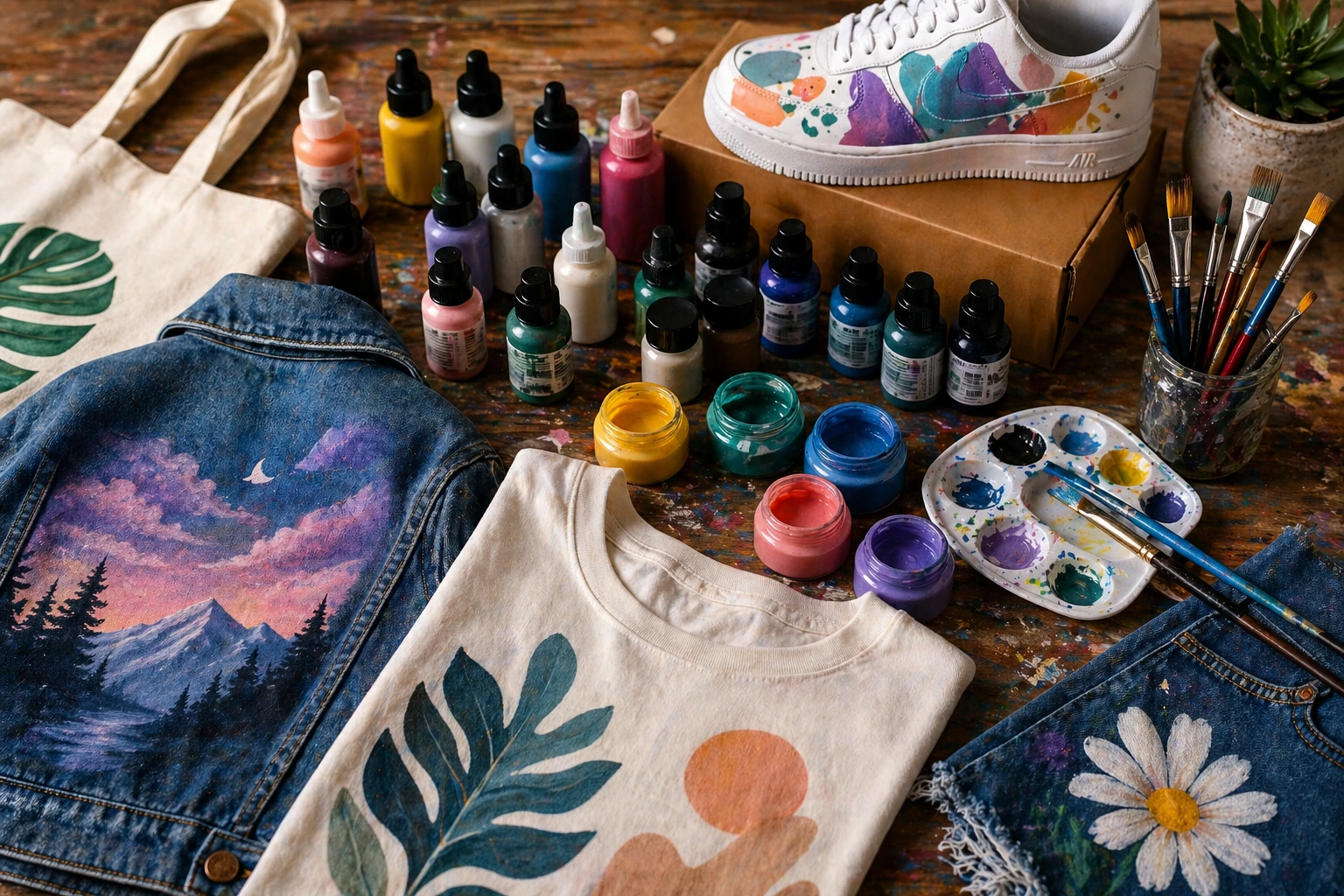
Clothing customization has evolved from a niche creative hobby into a rapidly growing segment of fashion culture across Canada. More consumers are actively searching for ways to personalize their wardrobes, reduce unnecessary clothing purchases, and create fashion pieces that feel unique in a market dominated by mass-produced retail products. Many younger consumers no longer want to wear the same hoodies, jackets, sneakers, and denim pieces sold in every shopping mall. They want clothing that reflects personal identity, creativity, and individuality. At the same time, the rising cost of clothing has pushed many people toward DIY alternatives that allow them to upgrade existing garments instead of constantly purchasing new ones.
Social media has dramatically accelerated this movement. Platforms such as TikTok, Instagram, Pinterest, and YouTube are filled with creators transforming plain sneakers into collectible custom pieces, repainting denim jackets, personalizing tote bags, redesigning thrifted clothing, and building full businesses around custom fashion. Many of these creators sell through Etsy, Depop, and personal websites, proving that clothing customization is no longer just a hobby—it can become a serious business model.
However, one of the biggest misconceptions promoted by short-form social media content is that artistic skill alone determines success. In reality, material quality often determines whether a customization project becomes wearable, durable, and professional-looking. A talented artist can still ruin a jacket by using low-quality paint that cracks after two washes. A simple design created with high-quality materials often outperforms complex artwork made with poor supplies.
Fabric paint is one of the most important investments in clothing customization because it directly affects durability, comfort, appearance, and customer satisfaction for anyone selling products. Choosing the wrong paint can lead to peeling artwork, stiff fabrics, faded colors, inconsistent textures, and products that feel cheap.
In Canada, buyers face additional challenges because certain American brands are easier to access than others. Import fees, shipping costs, retailer availability, and exchange rates can influence purchasing decisions. This makes it even more important for Canadian creators to understand which brands are worth their money.
Why Fabric Paint Selection Matters More Than Most Beginners Expect
Many beginners assume fabric paint is a simple product category where all brands perform similarly. This assumption often leads to frustrating experiences because paint formulas differ dramatically.
Some paints prioritize flexibility, which is critical for softer clothing like t-shirts, leggings, hoodies, and fitted garments. Other paints prioritize strong adhesion for leather products, sneakers, and structured accessories. Some formulas deliver highly pigmented colors but may create thicker finishes. Others provide softer finishes but require additional layers to achieve vibrant color.
Durability is one of the biggest differences between cheap and premium brands. Low-cost paints often look acceptable immediately after application but begin cracking after repeated movement or washing. This is especially common when beginners apply paint too heavily.
Fabric comfort also matters more than many people realize. Clothing should still feel wearable after customization. Stiff painted surfaces can make shirts uncomfortable and reduce customer satisfaction for resale businesses.
The best creators treat paint selection as a strategic decision rather than an afterthought.
Angelus: The Leader in Sneaker and Leather Customization
Angelus has become one of the most recognized brands in custom fashion, especially among sneaker artists.
Its reputation grew through sneaker communities that transformed shoes into premium collectible products. Over time, it expanded into broader clothing customization markets.
Many Canadian creators use Angelus for customizing leather sneakers, handbags, jackets, wallets, and denim accessories.
Its biggest strength is durability when used correctly. The paint adheres exceptionally well to leather surfaces and resists cracking better than many competitors.
However, beginners often misuse it on softer fabrics without proper additives, which can create stiffness.
Its higher cost may discourage casual hobbyists, but serious customization businesses often view it as a long-term investment.
Jacquard: Best for General Fabric Projects
Jacquard remains one of the most versatile choices for broader fabric customization projects.
Its paints work especially well on cotton shirts, tote bags, denim jackets, hoodies, canvas products, and lighter fabrics.
Many creators prefer it because the paint tends to dry softer than many lower-cost alternatives.
Its wide color range makes it attractive for artists creating detailed illustrations or highly customized clothing.
For beginners who want flexibility across multiple project types, Jacquard is often a strong choice.
Tulip: Accessible for Beginners
Tulip remains one of the most accessible brands in Canada because it is commonly sold through mainstream craft retailers.
Michaels frequently carries its products.
Its lower price makes experimentation less financially risky.
Many beginners use it for learning techniques before investing in premium materials.
However, creators selling premium products may eventually outgrow it.
Arteza: Budget-Friendly Online Option
Arteza has gained popularity through online marketplaces.
Its starter bundles appeal to beginners because they simplify early experimentation.
While it offers good value, some professional creators prefer stronger long-term durability.
Speedball: Excellent for Larger Production Projects
Speedball is respected among screen printers and small clothing brands.
It works particularly well for creators producing larger product volumes.
Entrepreneurs often explore this brand when scaling operations.
Pebeo: Strong for Artistic Fashion Projects
Pebeo appeals to creators focused on artistic detail.
Its paints often work well for highly visual custom designs.
Where Canadians Can Buy These Paints
Amazon remains one of the most convenient sources.
Michaels offers in-store access.
Walmart may carry basic products.
Fabricland may offer additional options.
Independent art retailers can also provide specialty products.
Choosing Paint Based on Fabric Type
Different fabrics require different approaches.
Denim can handle heavier paint layers.
Cotton requires softer finishes.
Leather needs specialized formulas.
Canvas allows flexibility.
Polyester can be challenging because some paints struggle to bond properly.
Testing materials first reduces costly mistakes.
Heat Setting and Washing Matter
Even premium paint can fail if the curing process is ignored.
Heat setting helps improve durability.
Following proper washing instructions protects customized clothing.
These steps are frequently overlooked.
Common Beginner Mistakes
Many beginners paint expensive clothing first.
Others apply excessive layers.
Some skip testing.
Many ignore fabric preparation.
These mistakes create avoidable failures.
Should You Start Cheap or Premium?
Beginners often benefit from affordable experimentation.
However, creators planning to sell products should invest in stronger materials faster.
Product quality directly impacts reputation.
Final Thoughts
The best fabric paint brand in Canada depends on your budget, project type, and long-term goals.
Some creators prioritize affordability. Others prioritize durability for resale businesses.
The most successful clothing customizers understand that great design deserves equally strong materials. Choosing the right paint often determines whether a project becomes wearable art—or wasted fabric.
