
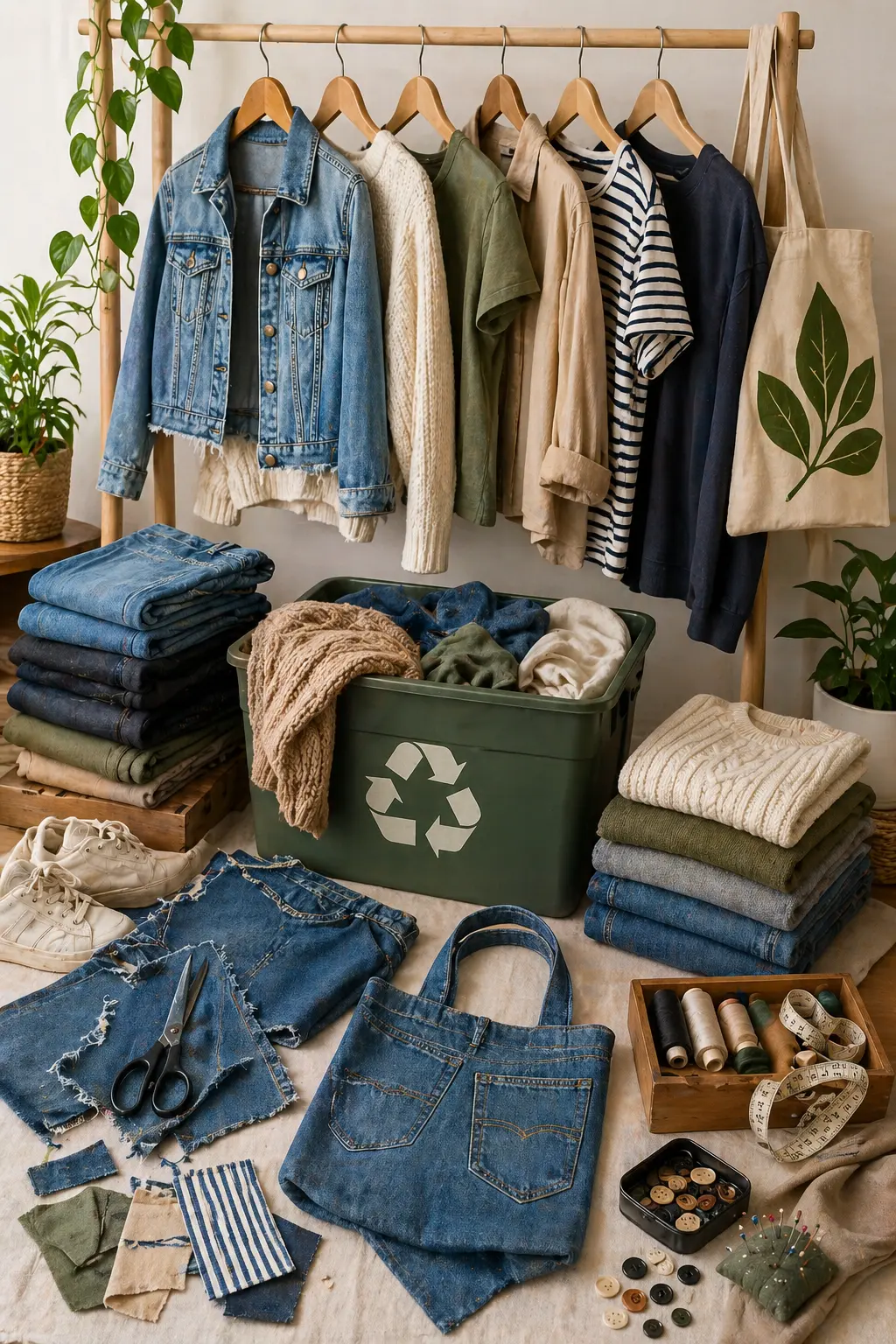
Building a sustainable wardrobe has become one of the biggest goals for modern consumers who are increasingly frustrated with fast fashion, rising clothing costs, and closets full of garments they rarely wear. Across Canada, more people are questioning whether constantly buying new clothing actually improves their personal style or simply creates financial waste. For years, fashion retailers have encouraged consumers to adopt rapid shopping habits built around seasonal trends, influencer marketing, and limited-time promotions that create urgency. This model teaches consumers to replace clothing quickly, often before garments are fully worn out. The result is wardrobes filled with impulsive purchases, duplicate items, and low-quality clothing that rarely delivers long-term value.
This consumption model has also created significant environmental consequences. The global fashion industry is one of the largest contributors to textile waste, water consumption, and carbon emissions. Millions of garments are discarded every year because they no longer feel trendy, require minor repairs, or no longer align with changing personal tastes. Many of these garments still contain valuable materials and could continue serving practical purposes with minor adjustments. Consumers are increasingly aware of these problems, but many assume that building a sustainable wardrobe requires expensive ethical brands, premium organic fabrics, or luxury minimalist wardrobes promoted by influencers online.
That assumption often prevents people from exploring one of the most practical and affordable sustainability strategies available: clothing upcycling. Upcycling allows people to extend the life of garments they already own, repair damaged items, transform outdated clothing into modern pieces, and reduce dependence on constant retail purchases. Unlike traditional recycling, which often breaks materials down for industrial reuse, upcycling keeps garments in wearable circulation for longer periods of time. It creates both financial and environmental benefits because consumers spend less money while reducing waste.
Platforms such as TikTok, Pinterest, Instagram, and YouTube have made clothing transformations more visible by showcasing dramatic before-and-after projects. However, many viral videos oversimplify the process by focusing only on aesthetics. True wardrobe sustainability requires strategic planning. It is not about creating random DIY projects that remain unused. It is about building a wardrobe where clothing serves long-term practical purposes.
In Canada, sustainable wardrobes also need to account for climate. Consumers often need winter coats, boots, layered clothing, waterproof outerwear, and seasonal flexibility. Building a sustainable wardrobe means balancing creativity with practicality while avoiding unnecessary purchases.
Understanding Why Most Wardrobes Become Unsustainable
Many wardrobes become unsustainable because purchases are driven by emotional decisions rather than long-term planning. Consumers often buy clothing during sales simply because prices appear attractive. Others shop when they feel bored, stressed, or influenced by social media trends.
Many people purchase clothing for highly specific occasions and never wear those items again. Others repeatedly buy nearly identical products because they forget what they already own. Over time, closets become filled with underused clothing.
Fast fashion accelerates this cycle by constantly introducing new trends that encourage replacement rather than maintenance.
Upcycling helps break this pattern by shifting attention toward maximizing existing resources.
Start With a Complete Wardrobe Audit
Before buying anything new, consumers should evaluate what they already own.
Many people underestimate how much usable clothing they already have because closets are disorganized.
A wardrobe audit helps identify clothing that is regularly worn, items needing repairs, pieces that no longer fit current style preferences, and garments with transformation potential.
This process often reveals forgotten jackets, old denim, formalwear, oversized shirts, and seasonal clothing that can be redesigned.
The goal is identifying value before spending more money.
Transform Basic T-Shirts Into Functional Pieces
Old t-shirts remain one of the easiest garments to upcycle because they are highly versatile.
Oversized shirts can become cropped tops.
Graphic shirts can be restyled.
Damaged cotton shirts can become sleepwear, gym clothing, tote bags, cleaning cloths, or layering pieces.
Many people throw away t-shirts too quickly despite their flexibility.
Reinvent Old Denim
Denim offers some of the strongest upcycling potential because of its durability.
Old jeans can become shorts, skirts, bags, or modern wide-leg styles.
Oversized denim jackets can be customized with embroidery or structural changes.
Damaged denim can become accessories.
Vintage denim often contains stronger materials than modern alternatives.
Extend the Life of Winter Clothing
Winter clothing is expensive in Canada, which makes upcycling especially valuable.
Replacing buttons, repairing linings, restoring zippers, re-dyeing coats, and updating silhouettes can extend the life of expensive outerwear.
Replacing a premium winter coat unnecessarily can be extremely expensive.
Repurpose Formalwear
Formal dresses and event clothing often become closet waste after single-use events.
Long dresses can become skirts.
Formal tops can be paired with casual clothing.
Eveningwear fabrics can become accessories.
These transformations increase versatility.
Learn Basic Repair Skills
Repair skills are essential for sustainability.
Many garments are discarded because of minor issues.
Missing buttons
Loose hems
Small tears
Broken zippers
These repairs are often affordable.
Shop Thrift Stores Strategically
Value Village and Goodwill Industries provide affordable inventory.
Thrift shopping reduces demand for new manufacturing.
Focus on Versatility
Upcycled clothing should match multiple outfits.
Versatile clothing reduces future purchases.
Avoid Over-Customization
Many beginners create dramatic projects that are difficult to wear.
Practical design matters.
Sell What You No Longer Need
Poshmark and Depop help recover value.
Plan for Canadian Seasons
Wardrobes should account for all seasons.
Practical planning reduces emergency purchases.
Financial Benefits
Upcycling reduces replacement spending.
It increases product lifespan.
Environmental Benefits
Reduced waste
Lower production demand
Extended clothing lifespan
Final Thoughts
Building a sustainable wardrobe through clothing upcycling is not about achieving perfection or never buying new clothing again. It is about creating smarter long-term habits that reduce waste, protect finances, and help consumers build wardrobes that reflect both personal style and responsible consumption.
The strongest sustainable wardrobes are usually built by maximizing the value of clothing people already own rather than constantly searching for new products.
